Creating a Positive Impact with Leadership Henderson

June 5, 2024
Group of leadership henderson professionals wearing hard hats and smiling.

Leadership Henderson is a dynamic program created to develop Southern Nevadan community leaders. Through an intensive eight-month program offered by the Henderson Chamber of Commerce Foundation, participants cultivate the knowledge and skills necessary to drive substantive community change.


Read on to learn about:

  • The main goals and profound effects of the program.
  • The networking and development opportunities incorporated into the course.
  • The role the Community Project plays in developing leadership development skills.
  • How the program encourages professionals to pursue their own leadership pathways while also strengthening community links.


Let’s delve into the details and explore how Leadership Henderson can shape your professional trajectory.


Overview of Leadership Henderson

Leadership Henderson provides leadership opportunities to individuals dedicated to creating a lasting impact. The program's primary goal is to nurture a new generation of civic-minded leaders equipped with the skills and knowledge to drive positive change in Southern Nevada.


Organized by the Henderson Chamber of Commerce Foundation, the course provides a thorough program covering various subjects. From economic development to social services, participants gain a deep understanding of the various facets that contribute to the vibrancy of the community.


Throughout the program, it emphasizes the importance of networking, providing numerous opportunities for participants to connect with fellow leaders, community figures, and industry experts. This collaborative environment encourages teamwork and the exchange of ideas, ultimately offering a space for professionals to contribute to the collective advancements of our community.


This rigorous course helps professionals develop leadership skills through more than 30 hours of training. It prepares them to confidently tackle challenges in their communities and lead effectively.

networking leadership southern nevada HPD

Connecting with Leaders

A cornerstone of the Leadership Henderson program is its inherent emphasis on networking. The program attracts like-minded professionals who possess a profound sense of civic responsibility and a strong desire to grow, lead, and leave a lasting legacy. Each group of individuals naturally form enduring bonds that build professional relationships that facilitate professional growth.


Moreover, the program includes courses where community figures and field experts introduce themselves, inspiring and imparting valuable knowledge to participants. These connections help professionals create quality networks that will help them build a better future.

Networking in Leadership Henderson is seamlessly integrated into the program, so participants continually expand their network and enhance their ability to drive positive change.


Discovering the City

Leadership Henderson offers a comprehensive introduction to the city of Henderson. Through a multitude of monthly activities and learning experiences, graduates gain a thorough understanding of the local economy, government, social services, the health sector, the gaming industry, the business landscape, and educational institutions.


The program's curriculum includes engagements with key community figures and institutions, such as the police and fire departments, educational leaders, and tourism professionals. These interactions offer firsthand insights into the operations and challenges faced by different sectors, equipping members with practical knowledge that complements their leadership training.


Exploring Henderson's historical and cultural landmarks fosters a sense of pride and respect for Southern Nevada. This holistic approach ensures that Leadership Henderson graduates are not only well-versed in the theoretical aspects of leadership but also possess a deep, practical understanding of their community.


By immersion in the diverse experiences and daily life of Henderson, participants build a strong connection to the city and its residents. This connection is vital for developing leaders who are committed to making a lasting impact.

community service leadership henderson

Community Service Leadership

A defining element of Leadership Henderson is its commitment to service through a Community Project. Each class is tasked with selecting a non-profit organization to support throughout the program. This involves various activities, including fundraising, providing manual labor, and engaging in a variety of support efforts to directly benefit the chosen non-profit.


Many graduates are impressed with the sheer amount of support they can mobilize. The efforts put into the Community Project are designed to be long-term, creating a ripple effect that enhances the broader Southern Nevada community.


The Community Project, a hallmark of the program, serves as a capstone experience where participants apply their leadership and team-building skills in real-world scenarios. The collaborative nature of these projects not only strengthens the bonds among class members but also creates lasting, tangible benefits for Henderson and beyond.


By bringing together a diverse group of motivated leaders, Leadership Henderson harnesses incredible talent. The program's emphasis on charitable giving ensures that graduates emerge not only as skilled leaders but also as compassionate, community-oriented individuals committed to making a lasting difference.


Program Details and Structure

Leadership Henderson is a program run by the Henderson Chamber of Commerce Foundation. It lasts for eight months and is designed to help participants drive substantial community change. These skills will enable them to make a significant impact in the community throughout their lives. Ultimately, the time spent in the program fosters leadership skills development.


This program reflects the broader impact on Southern Nevada businesses and communities. For detailed information about how the course works, scholarship availability for small businesses, program costs, and other relevant details, we encourage you to visit the Leadership Henderson webpage. Here, you can explore all aspects of the program and understand how it can benefit you and your company.


If you have or know someone with a charitable organization that could greatly benefit from the program, there is a signup link for non-profits available on the website. This opportunity can provide invaluable support and resources to help you thrive and make a lasting impact.


If you are inspired to make a difference, consider joining Leadership Henderson.

By Create Credit Union • November 3, 2026
By Zachary Larson, VP of Commercial Lending at Create Credit Union (formerly Clark County CU) Whether you want to open a second location, upgrade equipment, hire employees or prepare for a busy season, growth often requires additional funding. For small businesses in Southern Nevada, finding the right financing can help you pursue new opportunities without putting too much pressure on your day-to-day cash flow. Two common options are term loans and lines of credit. Both can help you cover business expenses while keeping money available for regular operating costs. However, they work differently, and the right choice depends on how much you need, when you need it and how you plan to repay it. Let’s explore the differences, advantages and disadvantages of term loans and lines of credit to help you choose the right financing option for your business. What are Term Loans? A term loan provides a lump sum of money upfront that you repay through scheduled installments over a set period. Depending on the loan, you may receive a fixed interest rate and predictable monthly payments. Lenders may require business or personal assets as collateral, offer an unsecured loan or use the item being financing as collateral. For example, an auto loan typically uses vehicles as security. Term loans work well for businesses with a specific purchase or project and a clear plan for repayment. When To Consider a Term Loan Imagine you own a restaurant in Las Vegas and want to replace outdated kitchen equipment. You know how much the equipment costs and can estimate how the investment will affect your business. A term loan could provide the money upfront while allowing you to spread payments over several years. Pros of Term Loans  Predictable payments: Fixed monthly payments can make budgeting and forecasting easier. Potentially larger loan amounts: You may qualify for more funding than a revolving credit account provides. Longer repayment periods: A longer term can spread costs over time, depending on the loan agreement. Potentially fixed interest rates: A fixed rate can protect you from fluctuating interest rates during the loan term. Debt consolidation: You may be able to replace higher-interest debt with a lower-rate loan if the terms are favorable. Potentially fewer ongoing fees: Term loans may not carry monthly or annual account fees. Cons of Term Loans Fixed repayment obligations: You must make scheduled payments even during slower months. Interest and fees: Borrowing costs can add up over the life of the loan. Potential collateral requirements : A lender may require business or personal assets to secure the loan. Less flexibility: You receive a set amount upfront rather than drawing funds as expenses arise. Qualification requirements: Lenders may evaluate your credit history, revenue, existing debt and ability to repay before approving the loan. A term loan may be the better fit when you have a more stable business, you know how much money you need, what you will use it for and how the investment will support repayment. Lines of Credit A business line of credit gives you access to funds up to an approved limit. Instead of receiving a lump sum, you borrow what you need when you need it. As you repay the borrowed amount, you can generally access those funds again during the draw period, subject to your agreement with the lender. Lines of credit may be secured by collateral or unsecured. A home equity line of credit, or HELOC, uses home equity as collateral, while a business credit card is an example of unsecured revolving credit. This flexibility makes a line of credit useful for businesses with changing expenses or uneven cash flow. When To Consider a Line of Credit For example, if you own a construction company. You need to purchase materials and cover payroll before receiving payment for completed work. A line of credit could help bridge that timing gap, allowing you to keep projects moving while you wait for client invoices to be paid. Pros of Lines of Credit Flexible access: You can draw funds as expenses arise instead of borrowing a lump sum upfront. Interest on the amount used: You generally pay interest on the outstanding balance rather than the entire available credit limit. Help with cash flow: A line can help cover payroll, inventory, supplies and other short-term operating expenses. Potentially lower borrowing costs: Lines of credit may offer interest only payments reducing the monthly payment. Flexible repayment opportunities: You may be able to pay down the balance quickly when revenue increases, subject to the account's terms. A financial safety net: Available credit can help cover unexpected repairs or temporary revenue shortfalls. Potential rate advantages: Strong credit management may help you qualify for competitive rates or better terms. Cons of Lines of Credit Rates may change: Some lines have variable interest rates, which can increase borrowing costs. Ongoing fees may apply: Depending on the agreement, you may pay annual, maintenance, transaction or other fees. Credit limits can restrict spending: Your approved limit may not cover a large purchase or major expansion. Access is not guaranteed indefinitely: Lenders may review the account, change terms or decline to renew it under the agreement. Debt can linger: Repeatedly borrowing against available credit without a repayment plan can make it harder to reduce your balance. A line of credit may work best when you need flexibility, face unpredictable expenses or experience seasonal changes in revenue. It is generally better suited to short-term cash flow needs than to a major purchase you plan to repay over several years. Prepare Before You Apply Whether you seek a term loan or a line of credit, preparation can help you present a stronger case. Lenders often evaluate similar factors, commonly summarized as the Six C's: Capacity: Can your business generate enough income to meet its financial obligations? Prepare revenue projections and account for slower periods. Capital: How do your assets compare with your liabilities? Review your available cash, investments and existing debt. Collateral: What assets could secure the financing? Understand their value and whether another lender already has a claim on them. Conditions: How is your business positioned in its market? Consider local competition, customer demand, economic conditions and industry trends. Character: What does your credit and business history say about your reliability? Be prepared to discuss your experience and borrowing record. Communication: Can you explain your goals, financial position and repayment plan clearly? Be open with lenders about challenges and opportunities. Before applying, gather all your relevant financial statements, tax returns, revenue projections and details about existing debts. You should also calculate how much funding your business need and how you plan to use it. Choose Financing That Fits Your Goals There is no single financing solution for every business. A term loan may suit a one-time equipment purchase, while a line of credit may offer more flexibility for seasonal inventory or temporary cash flow gaps. Compare interest rates, fees, repayment schedules, collateral requirements and other terms before making a decision. Consider how each option could affect your business during both strong and slow months. How Credit Unions Can Support Your Business Many business owners are familiar with traditional banks but may not know how credit unions can support their business goals. Credit unions are member-owned financial institutions that offer banking services and financing options to help businesses manage their finances and plan for growth. Essential Clinic owner and a Create Credit Union member, Dr. Wally Joseph shared, “When other financial institutions turned me down, Create Credit Union was the only one willing to review my business plan, give me an opportunity, and work with me to make that vision a reality. The credit union supported both my financial goals and my dream of building a healthcare practice. Its continued guidance and dependable service have also been valuable as we grow and expand services.” Whether you're opening a new location, purchasing equipment or managing day-to-day expenses, a credit union may offer financing solutions tailored to your business’ needs and goals. For Southern Nevada business owners, exploring credit union financing can be another way to find the resources and support needed to move forward. Consider connecting with a local credit union to discuss your business plans and explore financing options for your next stage of growth. Zachary Larson is the Vice President of Commercial Lending for Create Credit Union (formerly Clark County Credit Union). He can be reached at larsonz@createcu.com or 702-939-3102.
By GYC Vegas • October 28, 2026
When business leaders map out their growth strategies, Public Relations (PR) and advertising often get lumped together into a single bucket labeled marketing. While both disciplines share the ultimate goal of driving awareness, credibility, and revenue, they operate under completely different rules. Confusing the two or expecting one to do the job of the other is a common pitfall for growing businesses. To build a well-rounded brand strategy, it helps to understand the fundamental differences between PR and advertising, and how they work together to create maximum impact. Paid vs. Earned Advertising is saying you’re great. PR is getting someone else to say you’re great. In media terms, the difference is paid versus earned. Advertising = Paid Media: You purchase space or time, whether on an I-15 billboard, a sponsored social media post, a radio spot, or a print ad. Because you pay for it, you have total control over the message, design, timing, and placement. Public Relations = Earned Media: PR focuses on earning coverage through news stories, executive features, broadcast interviews, and thought-leadership articles. You don’t buy the coverage, it is earned by providing valuable, newsworthy stories and expert commentary to journalists, editors, and industry media outlets. Control vs. Credibility Why invest in PR if advertising gives you complete control over what is said? The answer comes down to credibility. As an industry axiom states - Advertising is paid visibility; PR is earned credibility . Advertising does things PR can’t. It puts your message in front of a chosen audience, on your timeline, exactly as you wrote it. However, when potential customers see an advertisement, they know your business wrote and paid for that message. While ads are essential for driving quick action and brand recall, consumers naturally view them with a dose of skepticism. Public Relations, on the other hand, carries the power of third-party validation. When a news outlet highlights your customer success story or quotes you on local business trends, that coverage comes with the trusted endorsement of the journalist and the publication. Consumers tend to trust editorial content more than paid claims, making PR one of the strongest drivers of long-term reputation and brand authority. Earned Media in the Age of AI When AI search tools and chats recommend businesses or cite what is happening in an industry, they lean heavily on credible third-party sources, especially news coverage. According to media intelligence platform Muck Rack’s May 2026 analysis of more than 25 million links cited by ChatGPT, Claude, and Gemini, about 84% came from third-party sources such as news coverage, with journalism making up roughly 27% of all citations. Paid and advertorial content accounted for just 0.3 percent. Unlike traditional search where paid ads buy top placement, AI tools index and cite earned media, press releases, and editorial articles to answer user queries. If your business wants to be recommended by AI, PR should be important to you. How Paid and Earned Media Work Together Rather than treating advertising and public relations as competing choices, the most effective businesses view them as partners with different strategic strengths. Advertising gives you total control over the message and predictable timing. However, while paid ads require ongoing investment to stay in front of an audience, public relations efforts provide sustainable growth, maximizing dollars across a broader communication strategy. Many successful companies treat PR and advertising as complementary partners and when aligned, they can create a powerful effect: PR Builds Trust; Ads Convert the Lead Imagine a potential client sees a digital ad for your company. They might scroll past it. But if they previously read a feature story about your company in a regional business journal or saw your team on a local news segment, that ad suddenly lands on familiar ground. Advertising delivers a specific message to a targeted audience, while PR builds recognition through third-party coverage. Amplify Earned PR via Paid & Owned Channels When your business secures a great media feature, don’t let it sit quietly on a news site – your coverage can have a life beyond its original publication. Use your paid advertising strategy to boost the article on social media or target key accounts with a link to the story. Promoting third-party coverage gives your ad spend significantly higher trust and engagement, while sharing the story on your website, in your newsletter or across social media helps introduce it to additional audiences. Unified Messaging Across All Touchpoints When your PR campaign highlights a specific theme, such as community impact, innovation, or executive expertise, your advertising campaigns and other marketing communications can reinforce those same themes. A unified message across earned and paid channels ensures a consistent, compelling story wherever they encounter your brand and helps customers understand what makes your business distinctive. Long-Term Asset Creation: After an ad campaign has done its job and the ad budget runs out, public relations keeps the messaging alive, showing up whenever a potential client or an AI search tool researches your company. Choosing the Right Approach for Your Business Advertising tells your market who you are; public relations proves your worth. Since PR and advertising serve different purposes, businesses can use either – or both – depending on their needs. For many companies, combining both strategies makes sense. Others may prioritize one based on their immediate goals, timeline, budget and overall strategy. Neither approach needs to be the same for every business. The question isn’t whether to choose advertising or PR, but rather understanding what each strategy accomplishes so you can make informed decisions about where to invest and how to build lasting visibility and credibility throughout Southern Nevada. At GYC Vegas, we help growing businesses turn their messaging into lasting impact through strategic PR and advertising that reach human decision makers and strengthen visibility across AI search. From earned media that builds credibility to paid campaigns that drive action, we make your brand story work harder. Ready to elevate your visibility? Fill out our brief questionnaire today .
By Reagan Outdoor Advertising of Nevada • October 27, 2026
This article was written by Geoff Pratt, Market Manager at Reagan Outdoor Advertising of Nevada .
By Dale Carnegie Nevada • October 19, 2026
Three habits that turn your best performer into a manager people want to follow
September 22, 2026
Henderson Chamber of Commerce Political Action Committee Endorses 42 Candidates for 2026 General Election
By Reagan Outdoor Advertising of Nevada • September 8, 2026
Learn how Henderson businesses can build local visibility, stay recognizable and reach customers through strategic outdoor advertising.
May 19, 2026
By: Scott Muelrath, President & CEO, Henderson Chamber of Commerce In the June 9 Primary Election, Henderson voters will decide the future of our award-winning Parks and Recreation Department with Question 1. If approved, Question 1 would renew the existing property tax rate of 12 cents per $100 of assessed value that has funded Henderson Parks and Recreation since 1997. This is not a new tax. For nearly 30 years, this investment has supported the parks, trails, recreation centers, sports fields, senior programs, and community amenities that residents and businesses rely on every day. It is the continuation of a long-standing funding source that has helped make Henderson one of the most desirable cities in Nevada and one of the best places in the country to live, work, and raise a family. More than 8 in 10 Americans say access to parks and recreation influences where they choose to live. Businesses consider those same factors when deciding where to relocate, expand, or invest. Quality-of-life amenities are no longer “extras”, they are part of the economic foundation of competitive cities. Today, Henderson ranks among the top 25 park systems in the nation and holds four-time CAPRA accreditation, the only parks agency in Nevada with that distinction. Those achievements reflect decades of thoughtful planning, responsible investment, and community support. If Question 1 fails, Henderson Parks and Recreation would lose approximately 40% of its operating budget. The impact would not happen overnight, but over time the consequences would become increasingly visible: deferred maintenance, reduced programming, fewer youth and sports tournaments, scaled-back senior services, and slower facility repairs. Gradually, the quality of life that has helped define Henderson would begin to erode. For Henderson’s business community, this issue goes beyond parks. It is about maintaining the kind of city where employers can attract talent, where families want to stay, and where businesses continue to invest with confidence. That is why the Henderson Chamber of Commerce’s IMPAC proudly supports a YES vote on Question 1. Protect what makes Henderson exceptional. Maintain the investment that has strengthened our community for generations. Keep Henderson competitive. Vote YES on Question 1. Early voting is Saturday, May 23 through Friday, June 5. The 2026 Primary Election is Tuesday, June 9. For more election information, including polling locations, please visit the Secretary of State’s website or the Clark County website .
April 23, 2026
Henderson Chamber of Commerce Political Action Committee Endorses 34 Candidates for 2026 Primary Election
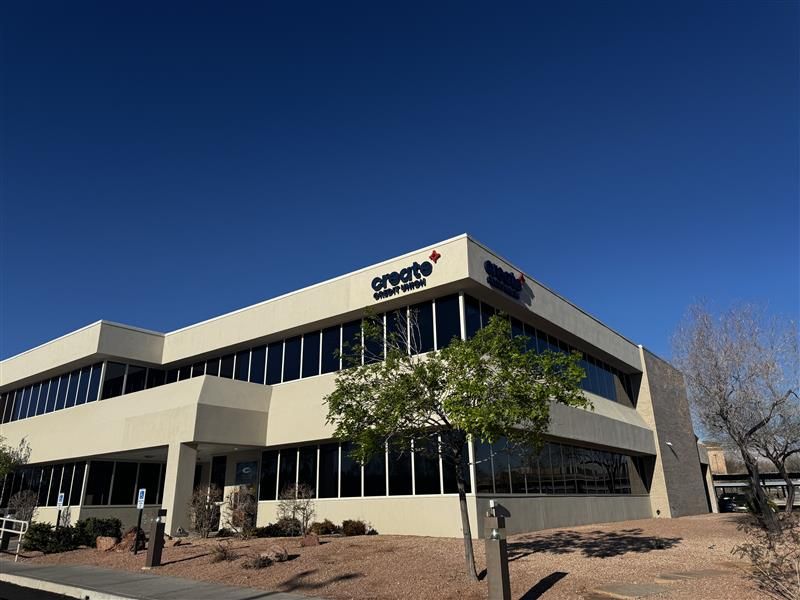
Image of building outside create credit union
By Create Credit Union • March 20, 2026
Guest column written by Chris Schlaffman, VP of Commercial Lending at Create Credit Union (formerly CCCU) For many small business owners in Southern Nevada, purchasing commercial real estate or investing in major equipment is an important step toward long-term growth. These investments can help businesses stabilize operating costs, build equity and expand their capabilities. However, securing financing for these types of projects can sometimes feel challenging, especially for businesses that want to preserve their working capital. One financing option that continues to stand out for long-term business investments is the SBA 504 loan program. SBA 504 loans are designed specifically to help small businesses acquire fixed assets such as owner-occupied commercial real estate or heavy equipment. Through this program, businesses can access long-term financing with structured terms that support growth and stability. SBA 504 loans are provided through the U.S. Small Business Administration (SBA) in partnership with approved Certified Development Companies (CDC) and business owners can access them through participating lenders, including local credit unions. As the top SBA lender in Nevada , Create Credit Union (formerly Clark County CU) works closely with established CDCs to help guide local business owners through the SBA 504 loan process. Our role is not only to provide financing but also to help business owners understand the program, evaluate whether it aligns with their goals and navigate the application process from start to finish. Joshua Goldman, a physician from Vegas Plastic Surgery Institute shared that after facing challenges securing financing through traditional banks, he began exploring credit unions as an alternative. “When we decided to start a new practice, the large banks barely considered us,” said Goldman. “Create Credit Union really took the time to understand our business plan and the value we brought to the community.” For business owners who are planning a major investment, understanding how the SBA 504 program works is an important first step. What are the Benefits of an SBA 504 Loan? One of the reasons SBA 504 loans remain a popular financing option is the structure of the program itself. The SBA designed the program to help small businesses make long-term investments while maintaining financial flexibility. There are several features that make the SBA 504 loan program particularly attractive for growing businesses in Southern Nevada. Down payment as low as 10% A key advantage of SBA 504 loans is the relatively low-down payment requirement. Many traditional commercial loans require business owners to put down at least 20 percent or more toward a real estate purchase or equipment financing, which many new or small businesses struggle to put down. With an SBA 504 loan, business owners can contribute around 10% of the project cost. This requirement allows business owners to move forward with important investments while preserving their working capital that can still be used to support their day-to-day operations like managing their payroll, inventory and operational expenses while continuing to grow. Repayment terms range from 10 to 25 years Another benefit of the SBA 504 loan program is the longer repayment terms. Depending on the type of project being financed, repayment periods generally range from 10 to 25 years. Longer terms help reduce monthly payment amounts and create more predictable cash flow for the business. When financing aligns with the long-term value of an asset such as a commercial building or major equipment. It can make financial planning much easier for business owners. Fixed Interest Rates SBA 504 loans also offer fixed interest rates on the portion of the loan provided through the Certified Development Company. Fixed rates provide stability and predictability, allowing businesses to plan their budgets without concern about interest rate fluctuations. In today’s financial environment, that predictability can be a valuable advantage. Knowing what your payment will be years down the road allows business owners to focus more on running their business and less on market uncertainty. How to Qualify for an SBA 504 Loan? While the SBA 504 loan program offers attractive benefits, businesses must meet certain eligibility requirements in order to qualify. These requirements are intended to ensure the program supports small businesses that demonstrate the capacity for responsible growth. First, businesses must meet the SBA’s size and operational guidelines. Eligible businesses must operate as for-profit companies in the U.S. In addition, the business must have a tangible net worth under $15 million and an average after-tax net income below $5 million over the past two years. Because SBA 504 loans are generally used for real estate or equipment purchases, the financed asset typically serves as the primary collateral for the loan. For commercial real estate projects, the business must also occupy a majority portion of the property. In most cases, the business must occupy at least 51 percent of an existing building or 60 percent of a newly constructed property. Beyond these thresholds, lenders evaluate the overall financial strength of the business. Credit history, both personal and business, plays a crucial role in the evaluation process. Lenders also review financial statements, tax returns and existing debt obligations to better understand the business’s financial position. A solid and clear business plan can also help strengthen an application. The plan should outline the purpose of the loan, the expected benefits of the investment and how the project will support the long-term business growth. Meeting these requirements helps ensure that the program supports owner-operated businesses that are investing directly in their operation and communities. Magali Santa of Santacruz Industries LLC shared, “The SBA loan allowed me to purchase the property and building. Owning the property provides stability for the businesses and allows me to continue building and expanding what my brother started.” Another business owner, John Fernandes of Busted Knuckle Mobile Mechanics also reflected on their experience getting an SBA loan. “With the help of the SBA loan through Create Credit Union (formerly CCCU), I was able to expand my mobile repair business by purchasing commercial real estate and opening a dedicated repair facility. In our first year operating from the new location, we doubled our sales.” Stories like these highlight the impact SBA 504 loans can have for small business owners. By providing accessible financing for long-term investments such as property and equipment, the program helps entrepreneurs strengthen their operation, create stability and position their businesses for future growth. Strengthening Your SBA 504 Loan Application In addition to eligibility requirements, understanding what lenders typically look for and preparing in advance can position your business for a smoother application experience. Maintain Strong Credit History Lenders review both personal and business credit when evaluating an SBA loan application. Consistently paying bills on time and managing credit responsibly helps demonstrate financial reliability. Business owners may also benefit from building business credit, monitoring their credit reports regularly and correcting any errors that could affect their score. Demonstrate Healthy Cash Flow A business’s ability to generate steady income is an important part of the review process. Lenders want to see that the business can comfortably manage loan payments while maintaining day-to-day operations. Many lenders evaluate the debt-service coverage ratio (DSCR), often looking for a ratio of about 1.2 or higher, which indicates the business generates sufficient income to cover its debt obligations. Understand Collateral Requirements SBA 504 loans are typically secured by the real estate or equipment being financed, which can make the program more accessible compared with some traditional financing options. Because the asset itself often serves as the primary collateral, many businesses find the program to be a practical way to finance long-term investments. Prepare Complete and Accurate Documentation Having organized and accurate documentation can help streamline the loan review process. Lenders typically request financial statements, tax returns and banking records to evaluate the business’s financial position. Working with an accountant or financial advisor can help ensure these documents are complete and consistent before submitting an application. Develop a Strong Business Plan A well-defined business plan can further strengthen an application. The plan should clearly outline the purpose of the loan, the expected benefits of the investment and how the project will support the business’s long-term growth. Providing market insights, financial projections and a clear strategy help lenders better understand the vision for the business and the impact the investment will have. Show Business Stability and Industry Experience While many lenders prefer businesses with an established operating history, newer businesses may still qualify if they demonstrate strong management experience and a clear growth strategy. Highlighting leadership experience and industry knowledge can add confidence to the application. Meeting these requirements helps ensure the SBA 504 program continues to support owner-operated businesses that are investing directly in their operations and strengthening the communities they serve. Working with Local Credit Unions For business owners exploring SBA financing, working with a local lender can make a meaningful difference in navigating the process. Credit unions, as not-for-profit financial institutions, often provide a more personalized and approachable experience for their members. In addition, local credit unions typically have a strong understanding of the regional business environment and maintain close relationships with development partners that support SBA lending. These connections can help streamline the process and provide business owners with guidance as they move through each stage of securing financing. The application process for an SBA 504 loan can be lengthy and complex, but the benefits such as low interest rates, longer repayment terms, and access to larger amounts of capital can make it worthwhile. For some businesses, securing an SBA 504 loan is about more than the expansion. For Magali Santa, it’s about carrying forward a family member’s dream. As she explained, “It was more than just a financial transaction — it helped secure the future of the businesses and allowed me to honor my brother’s vision while continuing to grow as an entrepreneur.” Chris Schlaffman is the Vice President of Commercial Lending for Create Credit Union (formerly Clark County Credit Union). He can be reached at schlaffmanc@createcu.com or 702-939-3214.
Leadership & Legacy Awards logo for Henderson Chamber of Commerce Foundation event
March 10, 2026
The Henderson Chamber Foundation launches the inaugural Leadership & Legacy Awards, a luncheon honoring Southern Nevada leaders on the field at Raiders Headquarters.