The Promotion Nobody Trains For
Three habits that turn your best performer into a manager people want to follow
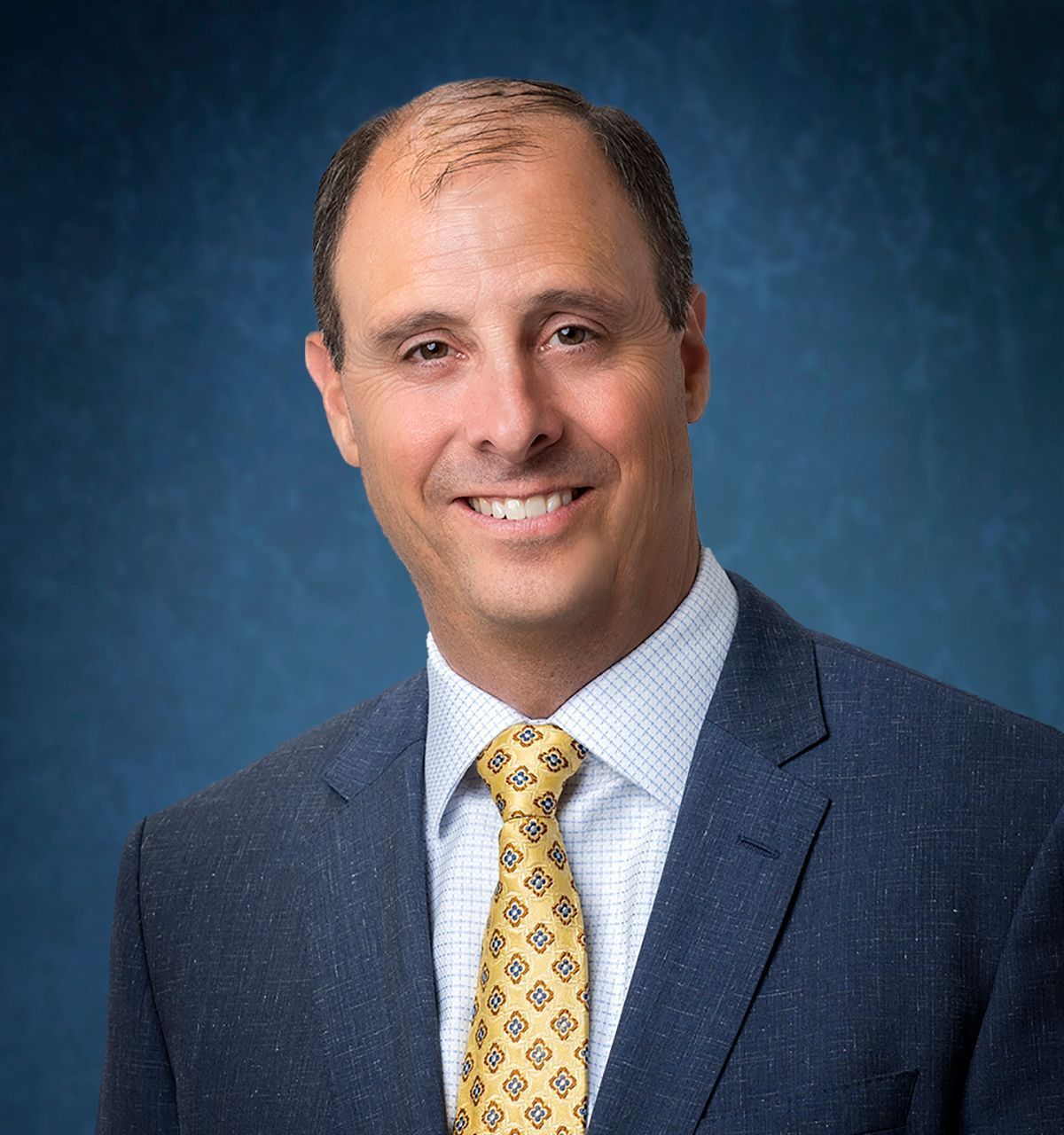
By Ken Fogarty, CEO, Dale Carnegie Nevada
Every business owner in Henderson knows this moment. Your best technician, your top salesperson, or your most reliable coordinator earns a promotion. Everyone agrees they deserve it. Ninety days later, something is off. Deadlines still get met, but the team has gone quiet. A good employee asks for a meeting you were not expecting. The new manager is working longer hours and enjoying them less.
Nothing went wrong with the person. Something went wrong with the handoff. We promoted them for what they could do and then asked them to succeed through what other people do. Those are two different jobs, and almost nobody gets trained for the second one.
I have spent my career in rooms where people learn to lead: in the Navy, in corporate America at IBM and Merck, as a university professor, and now running Dale Carnegie Nevada. The pattern is the same everywhere. New managers rarely fail from a lack of effort. They struggle because they keep doing what made them successful as individual contributors: having the answer, moving fast, and fixing it themselves.
Here are three habits that change that. None of them require a budget. All three come from principles Dale Carnegie wrote down in 1936, and they matter more today than ever, because the workplace is more stressed and more distracted than it has ever been.
1. Ask questions instead of giving direct orders
A new manager's instinct is to tell. It feels efficient. But orders create compliance, and compliance stops the moment you leave the room.
Try replacing one instruction a day with a question. Instead of “Redo the schedule so Friday is covered,” try “What would it take to get Friday covered?” The person who builds the answer owns the answer. You also learn things you would never have heard otherwise, like the real reason Friday keeps falling apart.
One graduate of our program put it this way: the course “showed me how to approach a situation in a leadership mindset instead of a dictatorship.” That shift starts with a question mark.
2. Give honest, sincere appreciation
Most managers believe they recognize their people. Most employees disagree. The gap is specificity. “Great job” is pleasant and forgettable. “The way you calmed down that customer on Tuesday saved a twelve year account” is something a person remembers for months.
Carnegie was careful to separate appreciation from flattery. Flattery is cheap, and people can smell it. Appreciation is specific, true, and about something the person actually controls. Make it a weekly habit: name one person, one behavior, and one result.
3. Let the other person save face
Correction is where trust is won or lost. When a new manager corrects someone in front of the team, the lesson the team learns is not about the mistake. It is about whether it is safe to take risks here.
Handle mistakes privately, start with what is working, and talk about the behavior rather than the person. “Let’s look at how the estimate went out before review” lands very differently than “You sent it without checking.” The standard stays high. The relationship stays intact.
Try this Monday
Pick one person on your team, or one manager you are developing, and run a five minute experiment this week:
• Ask one question you would normally answer yourself.
• Give one piece of specific, sincere appreciation.
• If a correction is needed, make it privately and start with something done well.
Then watch what happens to the energy in the room. Most leaders are surprised by how quickly people respond when they feel heard.
Why this matters for Henderson businesses
Our local economy runs on small and midsize companies where every person carries real weight. When one manager struggles, the whole business feels it in turnover, rework, and lost customers. Developing the person who leads a team almost always costs less than replacing the good people who leave it.
Another of our graduates described the change simply: the training “challenged me to slow down, listen more deeply, and lead from clarity instead of habit.” That is the goal. Not a new personality. A new habit, practiced until it becomes the way you lead.
About the author
Ken Fogarty is CEO of Dale Carnegie Nevada, serving Las Vegas, Henderson, Reno, and communities across the state. A Navy veteran and former adjunct professor, he has spent more than thirty years helping people and organizations perform at their best. Dale Carnegie Nevada offers leadership, communication, sales, and presentation training in person, live online, and on site at your business.
Want to see where your team stands? Ask about our free skills assessment at nevada.dalecarnegie.com or call 725.780.8595.